The studio with no tattoo artist.
What started as a tattoo blog became a studio so wanted it landed at Lollapalooza and pulled in brands like Chevrolet, Budweiser and Vans.
- (a.) Role
- Founding and creative direction
- (b.) Where
- Moema, São Paulo, plus 10+ states with the truck
- (c.) Scope
- Business model, space, brand, product, owned media, activations and partnerships
- (d.) Studio opened
- March 2016

At the start, the goal was just one: stop giving attention away for free and turn desire into business.
(01)
200K
Instagram followers in about 3 months, before there was a studio
(02)
400K
average monthly revenue, in reais
(03)
300+
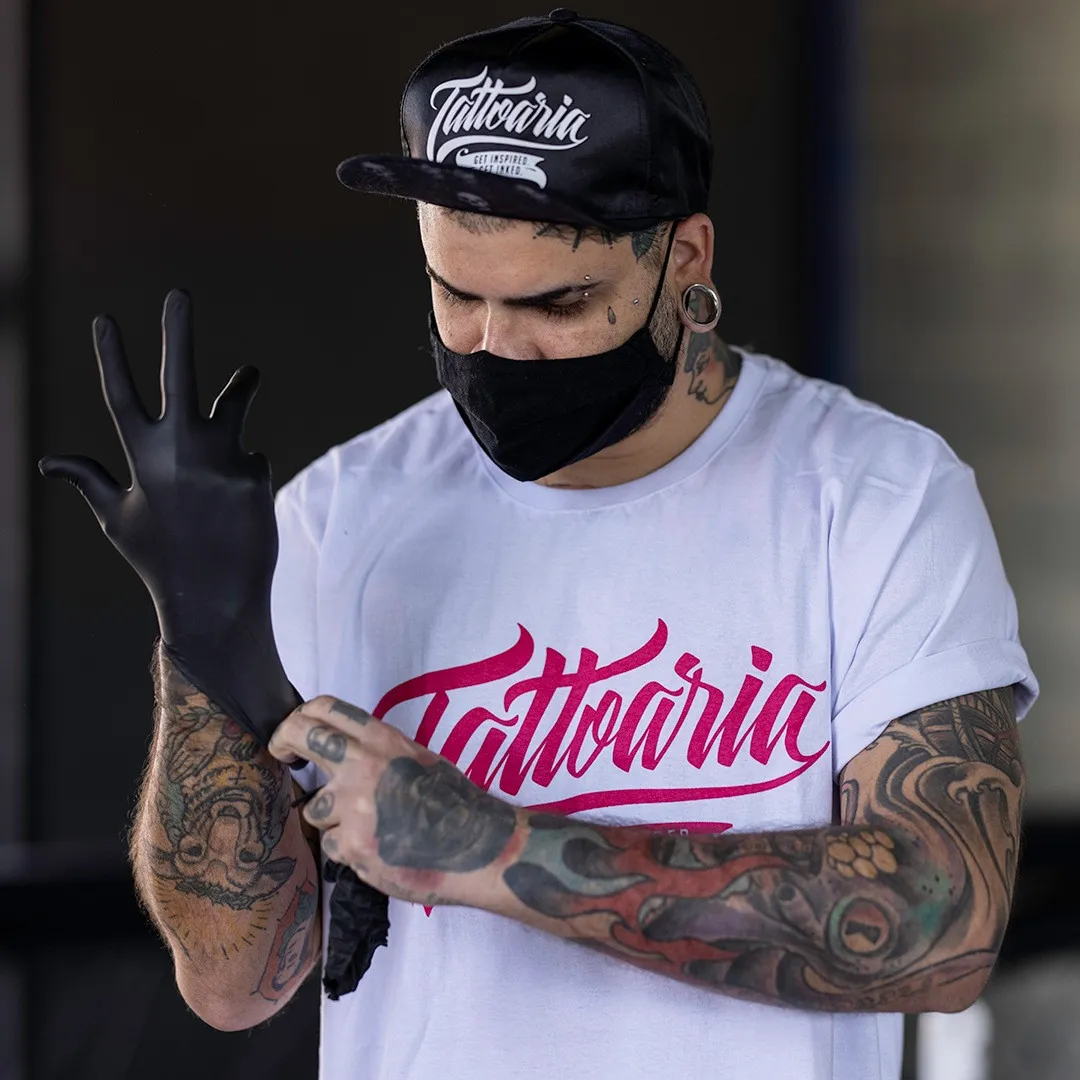
tattoo artists from Brazil and abroad came through. None of them resident: every week a new crew of eight rolled in, from Russia to Rio.
(04)
3
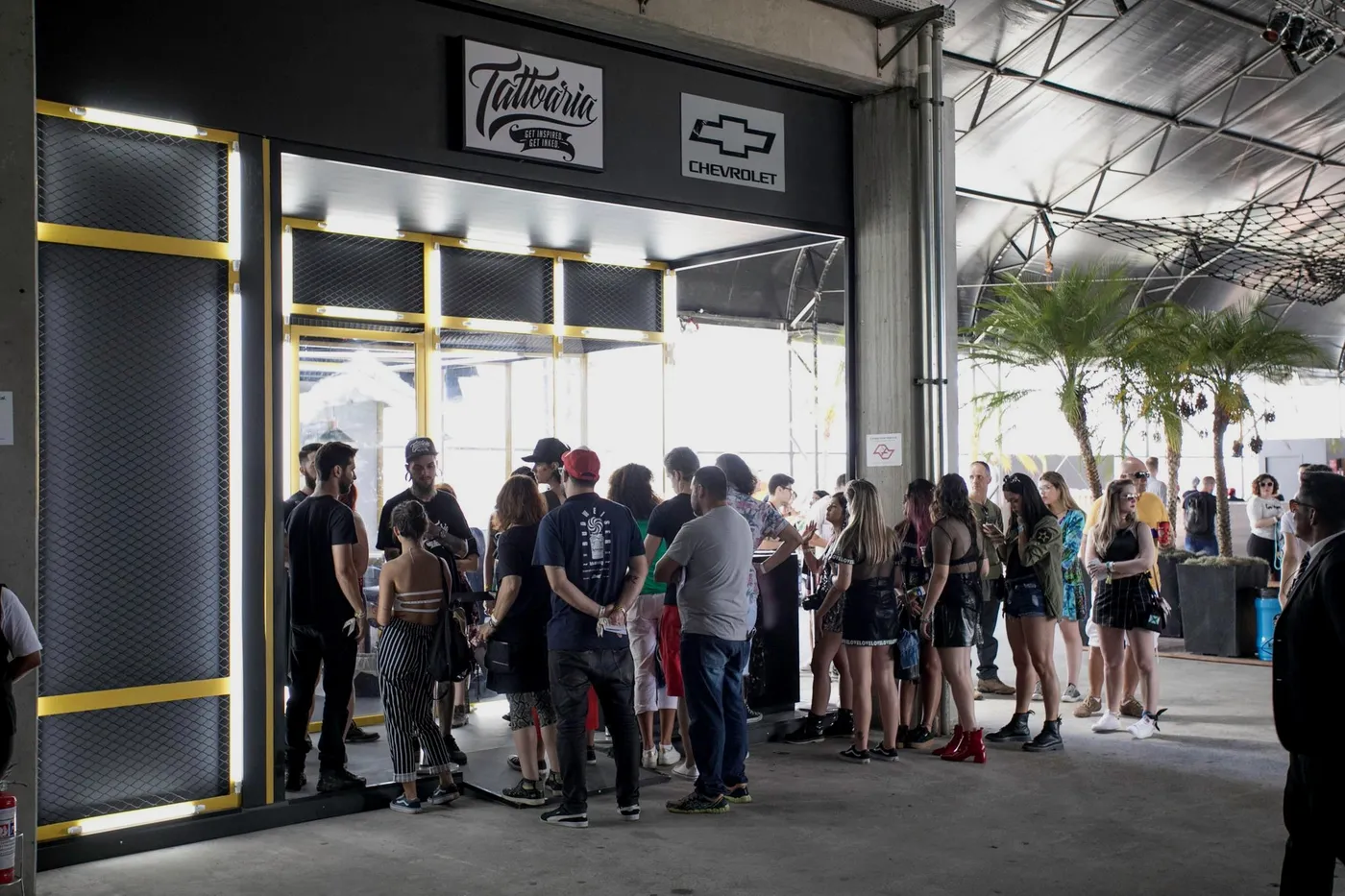
editions at Lollapalooza with Chevrolet: a studio inside the festival lounge and 200 tattoos paid up front.
(05)
10+
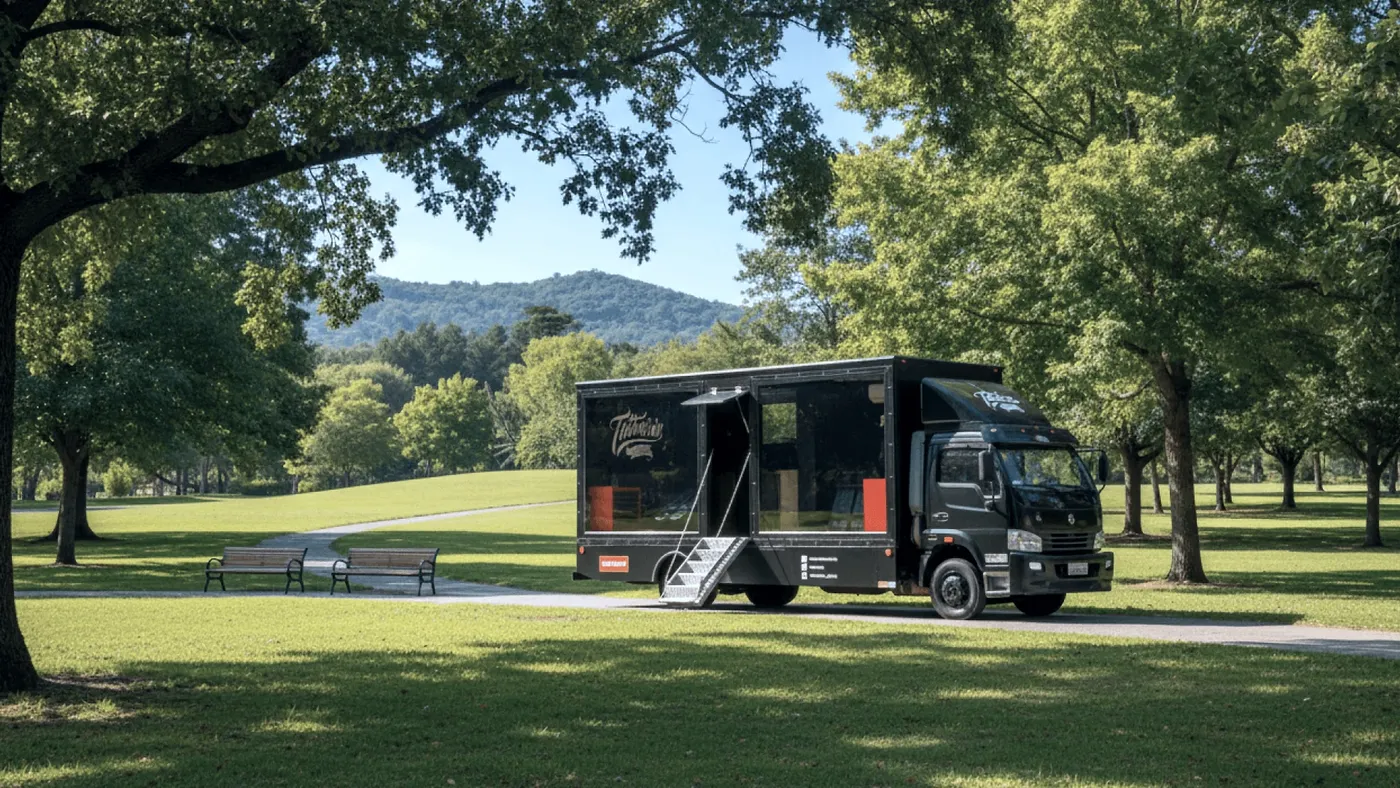
states plus Uruguay on the road with the Tattoo Truck, a 13 m² glass studio built so everyone could watch the tattoo happen.
01. Every studio was the same.
Back then, the whole tattoo market ran the same way. You walked into a black-walled studio with a few frames on the wall and a beat-up little couch, sat down and flipped through the flash book, the same binder of ready-made designs every studio copied from. You picked one and climbed some stairs to get tattooed shut away in a room. Almost every studio owner was a tattoo artist who only thought about tattoos, so nobody questioned the format. They just tried to do it a little better than the shop next door.
Opening one more studio like that meant stepping into a fight where everyone's the same and only the price changes.
Every studio had its flash book.
02. Tattoaria had what no studio had.
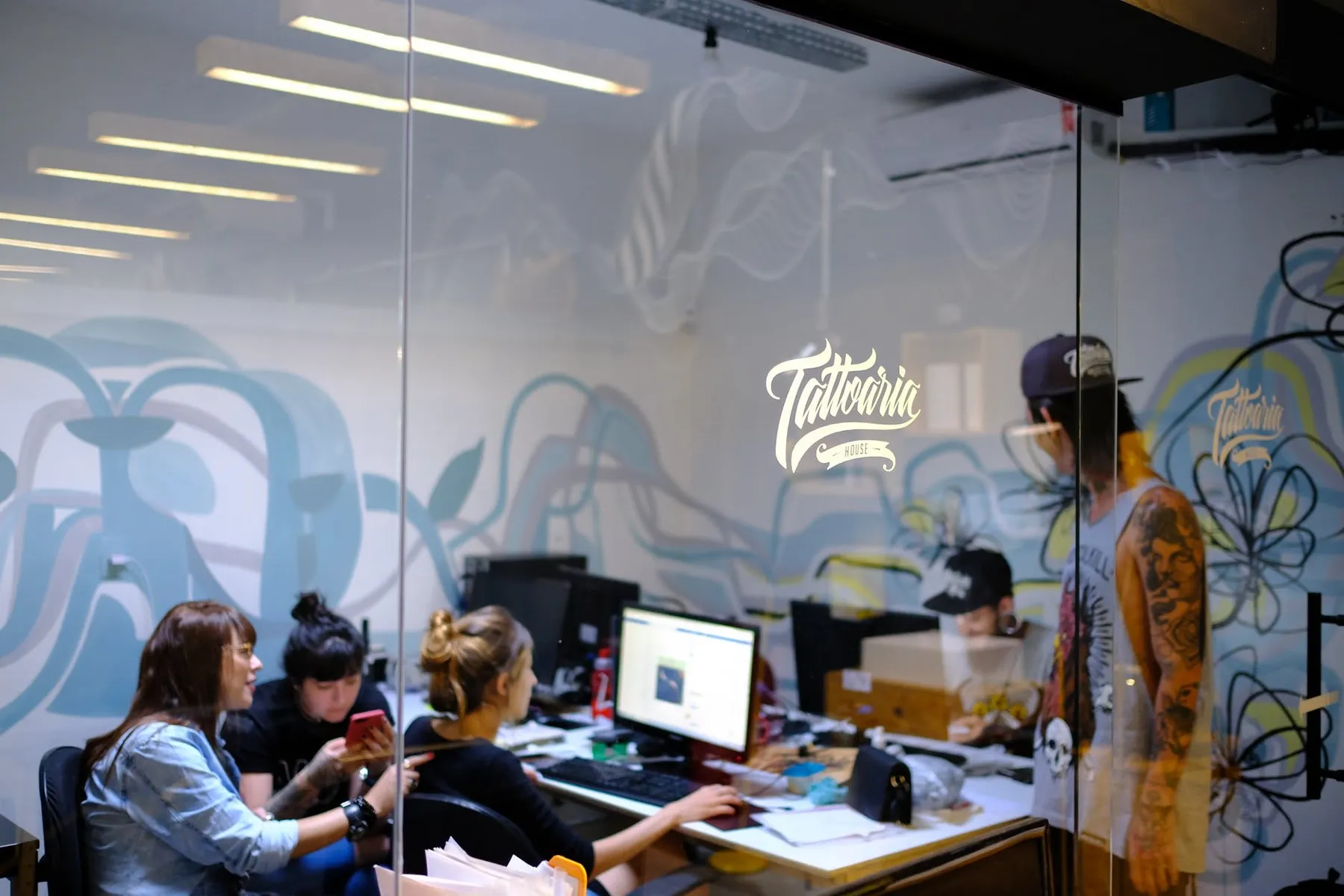
Tattoaria started as a blog, back when there was barely any good tattoo content in Brazil. The idea was to find incredible artists around the world and show off their work, and when Instagram took off, the blog went with it and hit 200K followers in about three months.
Then every artist wanted to be on Tattoaria, and the ones who were came back to say their books had filled up. Without even noticing, Tattoaria had pulled together what no studio owner had: desire, authority and a direct line to the best tattoo artists in the country. But the brand was promoting everyone and getting nothing back, and that's where the urge to go offline came from.
03. No resident artists.
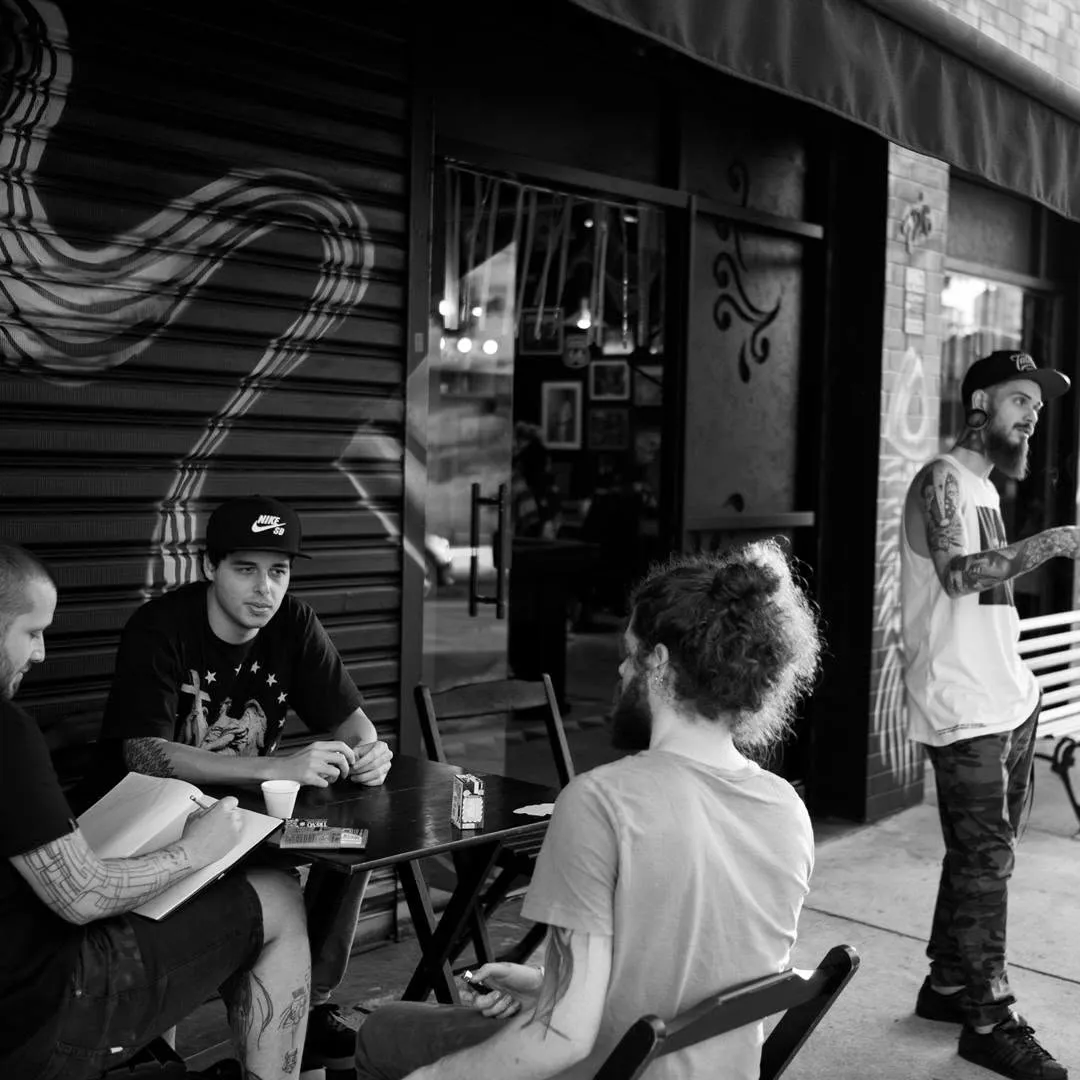
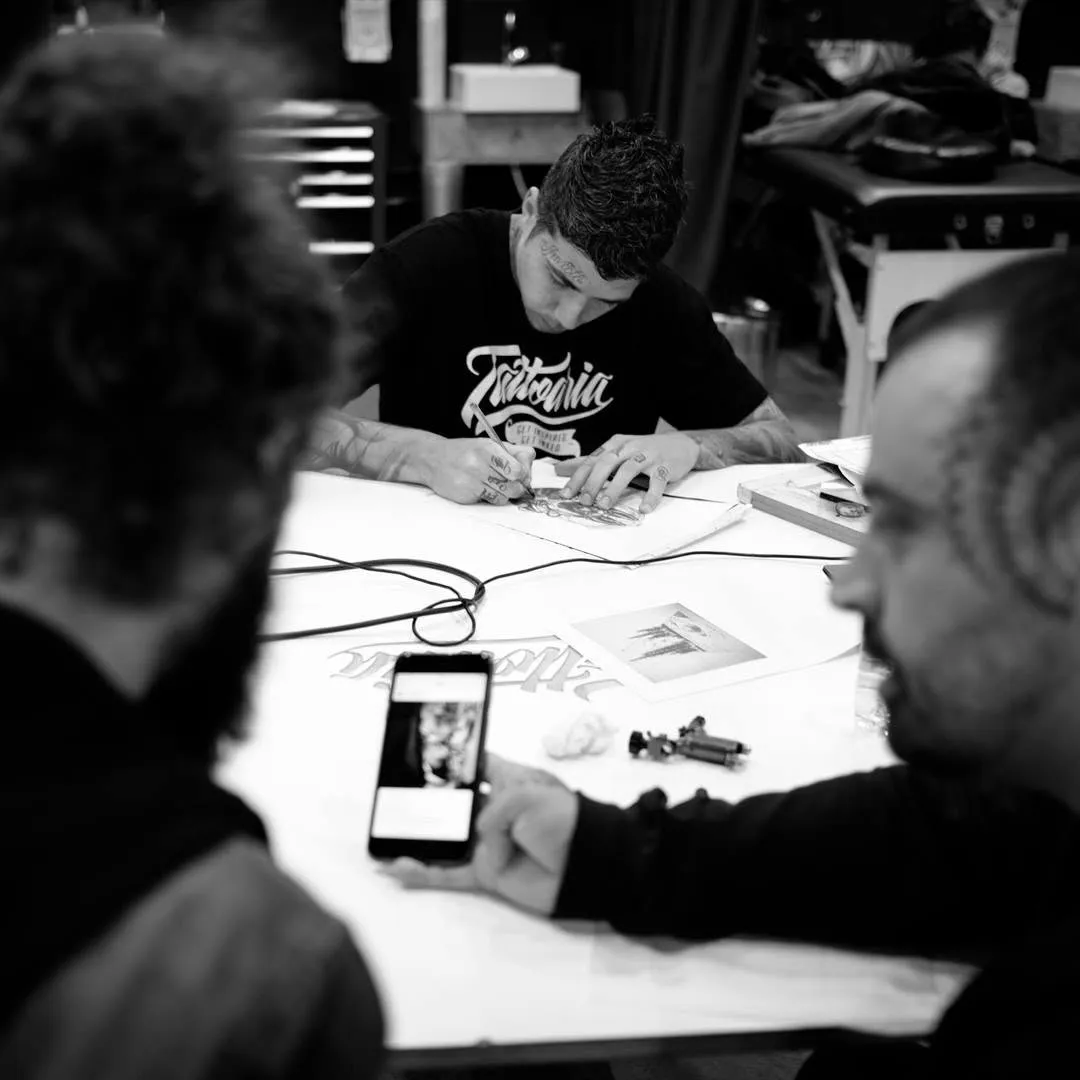
A regular studio brings in five or so artists, pays them a commission and they stay put. I did the opposite: Tattoaria had no resident artists at all. Since Tattoaria already knew artists all over Brazil, I started inviting them to tattoo in São Paulo for a stint, and every week a new crew of eight rolled in.
Picture a Monday: in walk a Russian, a guy from Rio, a guy from Minas, each with their own style. For clients in São Paulo, it was a shot at getting tattooed by people they'd hardly ever get near. For the market, it was a format that simply didn't exist, and that's what put the brand on everyone's radar.
04. A warehouse to live in, not a room to get tattooed in.
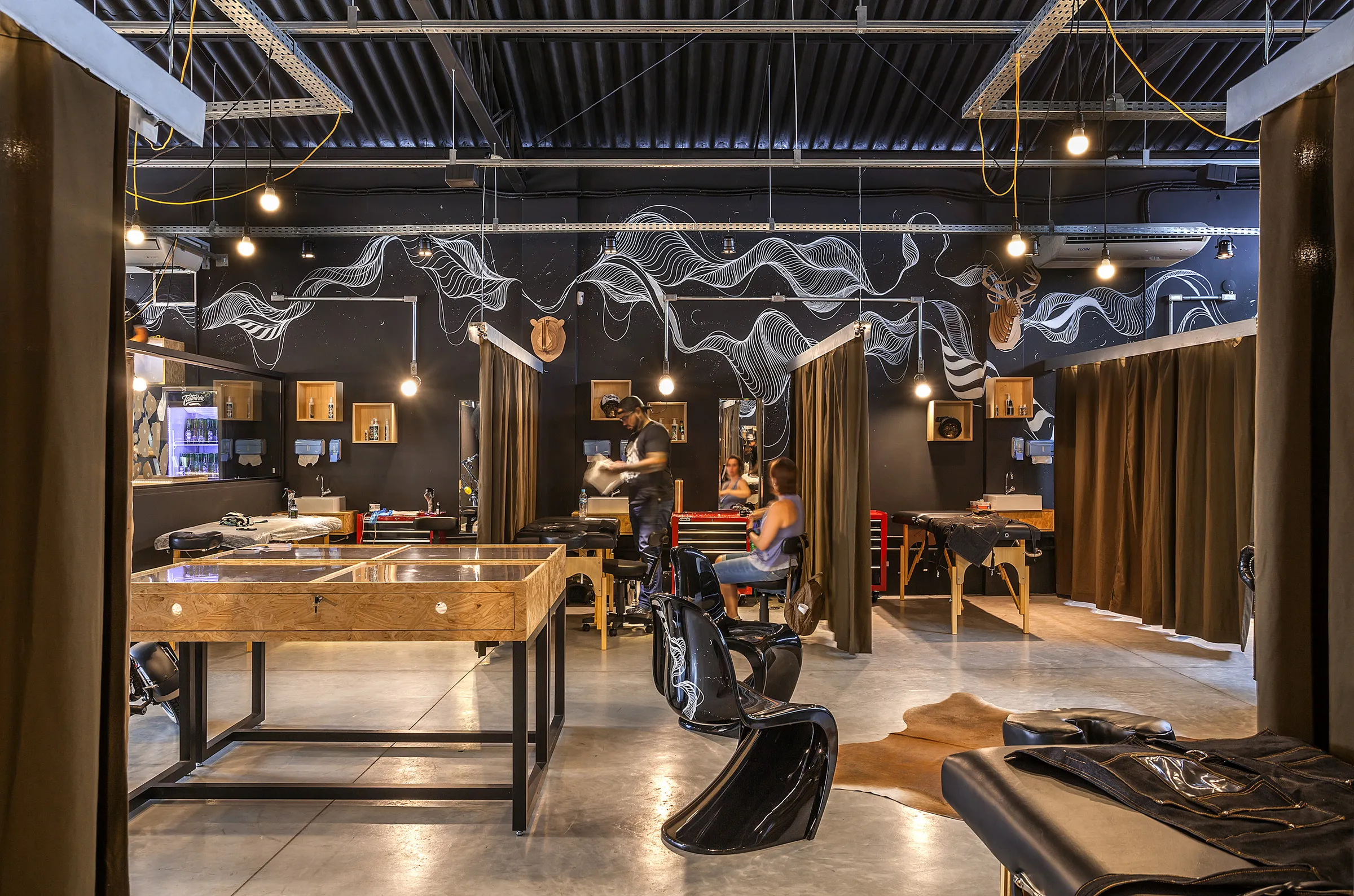
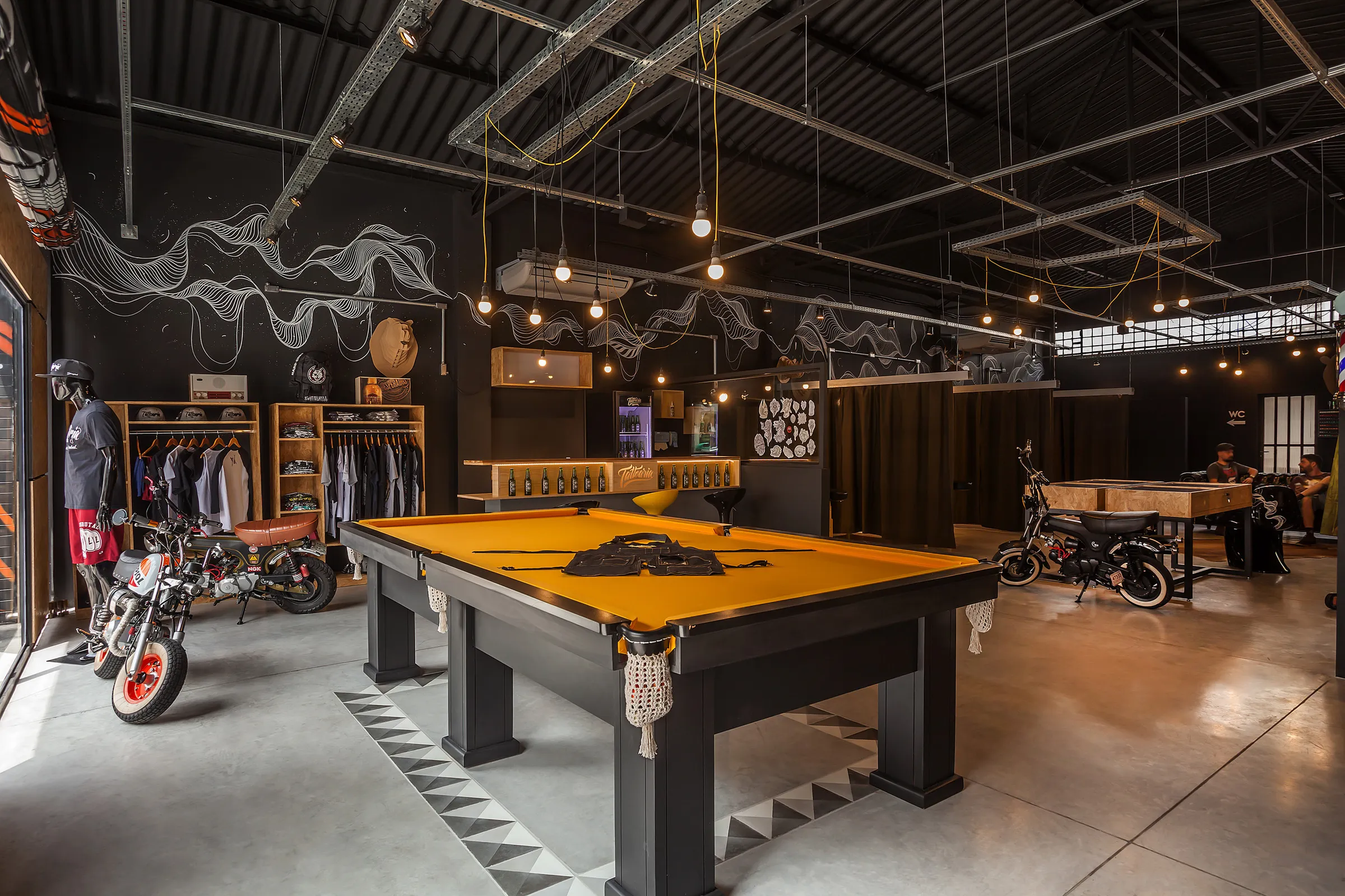
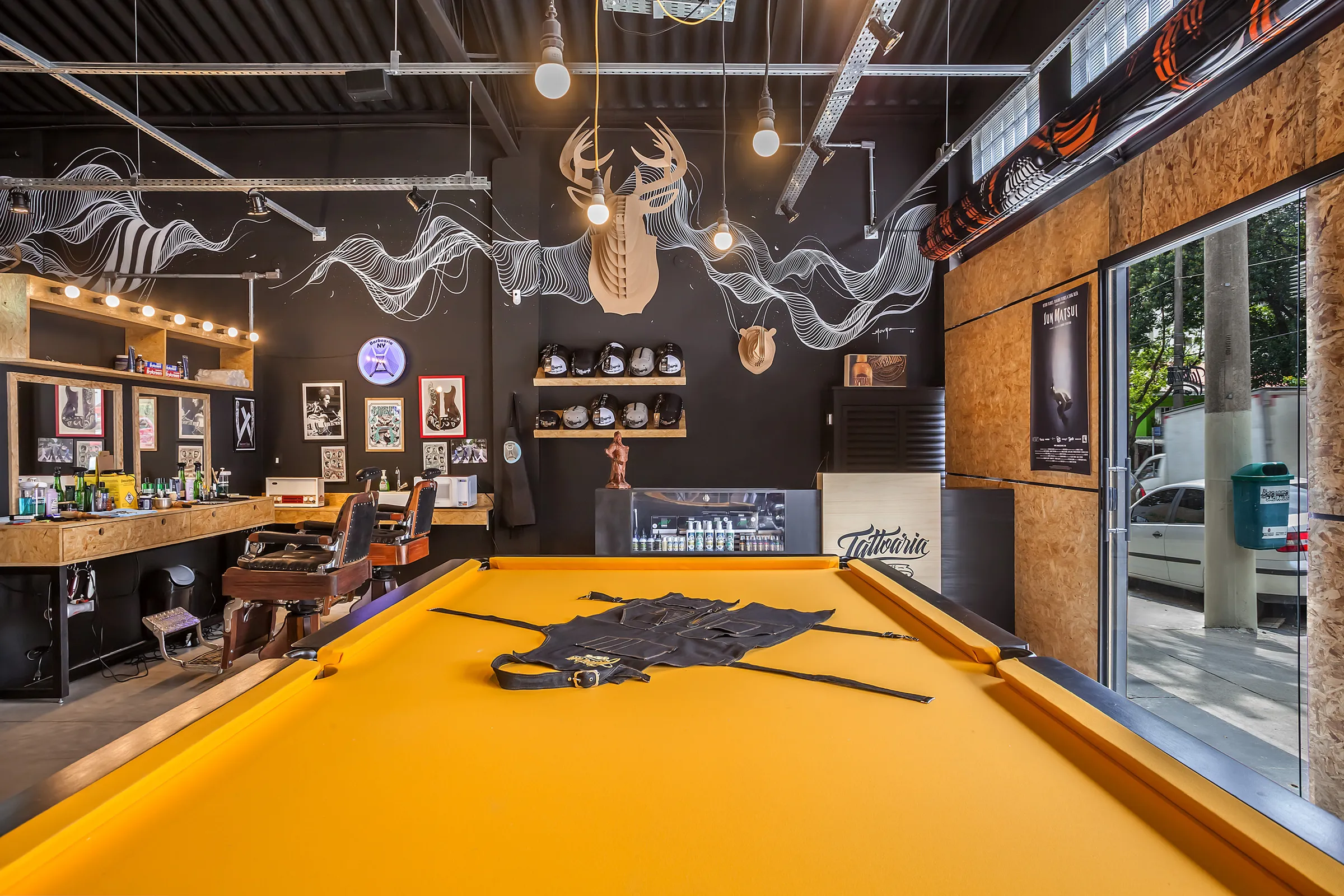
Tattoaria House opened on March 3, 2016, in a 240 m² warehouse in Moema. The flash book was gone. Instead of a closed-off little room, I built open booths side by side, so people could watch the work happen, clients could chat with whoever was next to them and artists could learn from each other, always within Brazil's health regulations.
Inside there was a barbershop, a big, proper cocktail bar and a pro pool table. In a second phase Tattoaria rented the warehouse next door, the space almost doubled, and a LAN house went in too, because I've always loved Counter-Strike. A guy in his thirties could walk in, grab a beer, order a drink, get a tattoo, shoot some pool and play a few rounds, all in the same place.
The architecture was by Studio dLux, under my direction. The format got copied a lot later, but back then nothing like it existed.
05. A new idea doesn't sell itself.
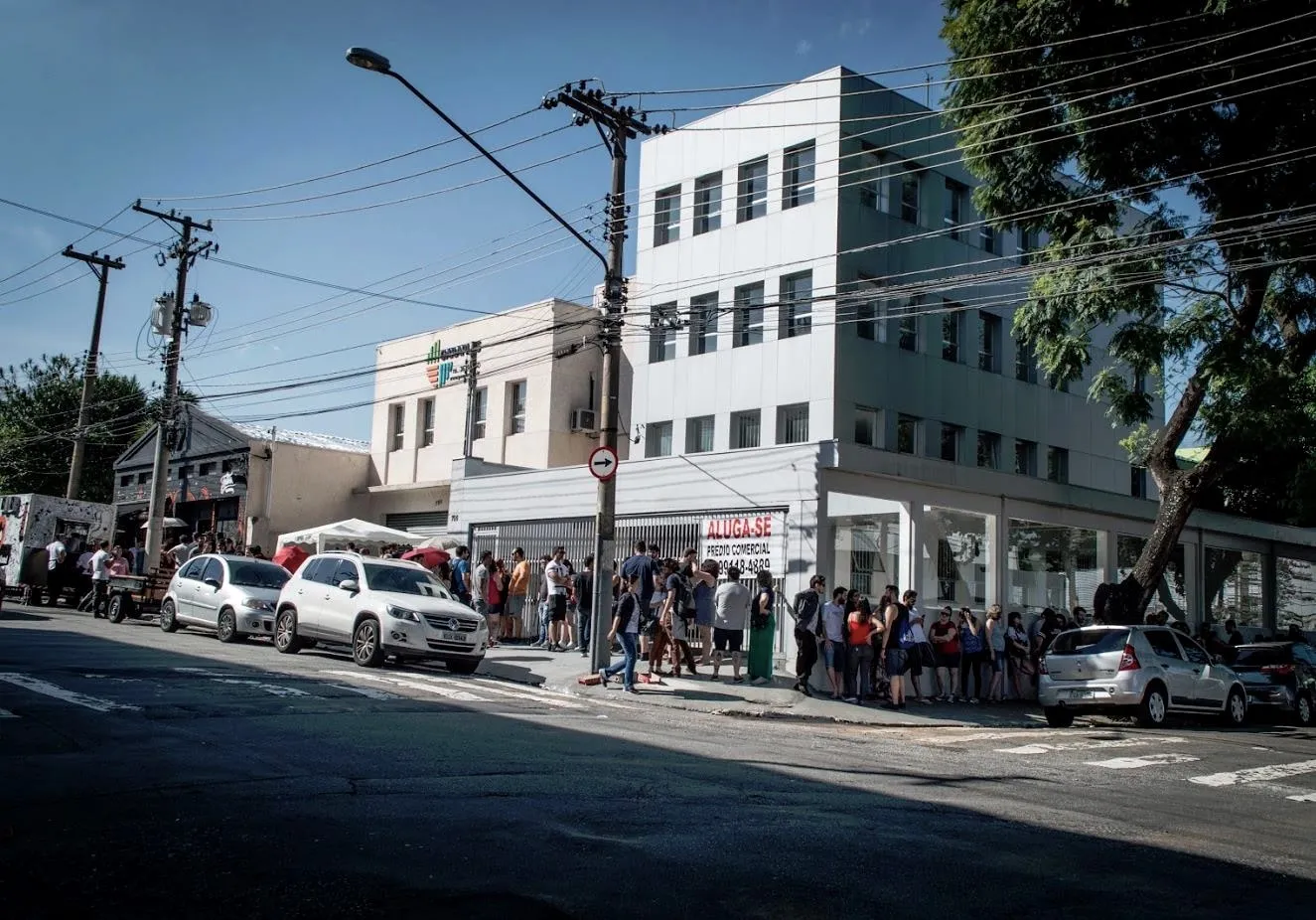
Flash day · line around the block
The rotating model came with a huge risk. When Tattoaria brings in a guy from Russia or a big-name artist from Rio, he clears a week of bookings at his own studio to come here, and if no clients show up, it's a disaster. It actually happened with a few, because it was a new product and hard to explain. So filling those artists' books became the priority, and I started running paid ads, which were dirt cheap back then.
I also took formats everyone was doing and reinvented them. Flash day, a day of smaller, cheaper tattoos, every studio did that. I started doing themed flash days. The horror one was horror tattoos only, ran 24 hours straight through the night, had fire breathers out on the street and a guy dressed as Jason wandering around the studio.
06. The brand became clothing.
Studio owners didn't care about branding, and I cared about it from day one. I built a strong logo and brought in professional photographers to shoot the day to day, so the brand's image lived up to what was happening inside.
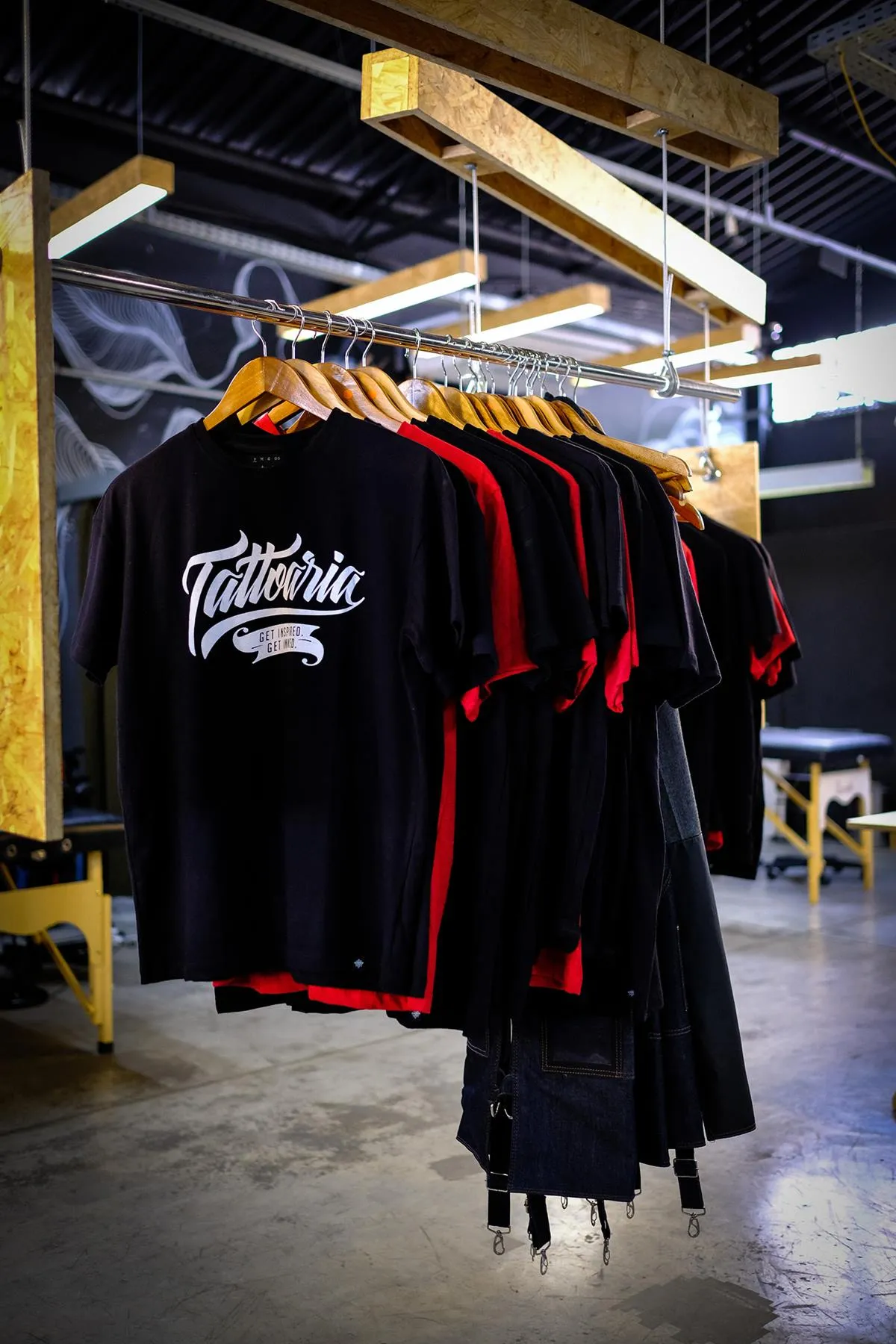
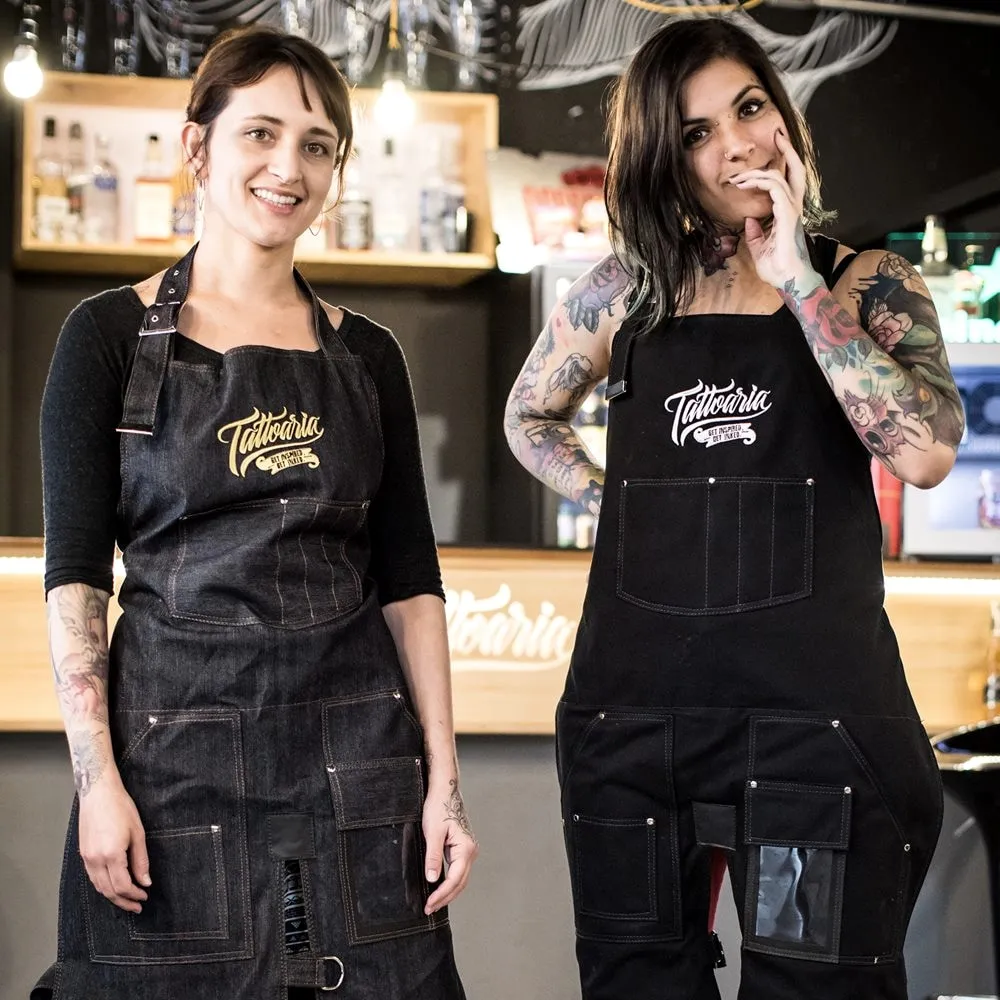
The tee came out so good that visiting artists took home four or five at a time. I saw the opportunity and expanded into caps, tattoo aprons and a whole range of tees, and Tattoaria became a clothing brand too.
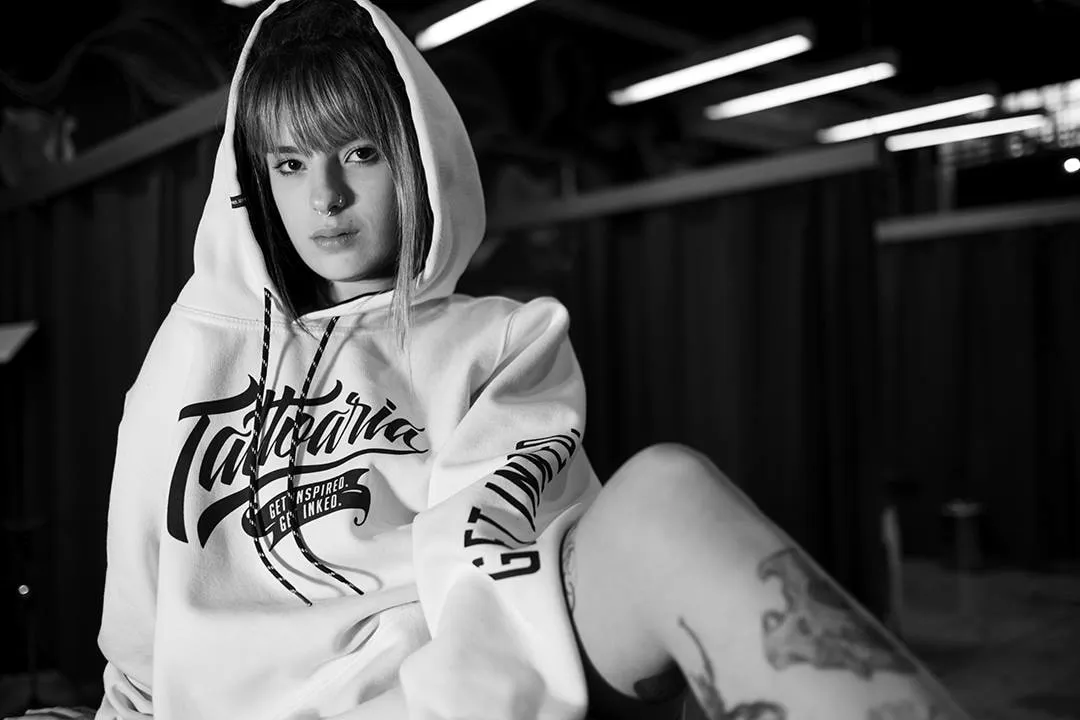
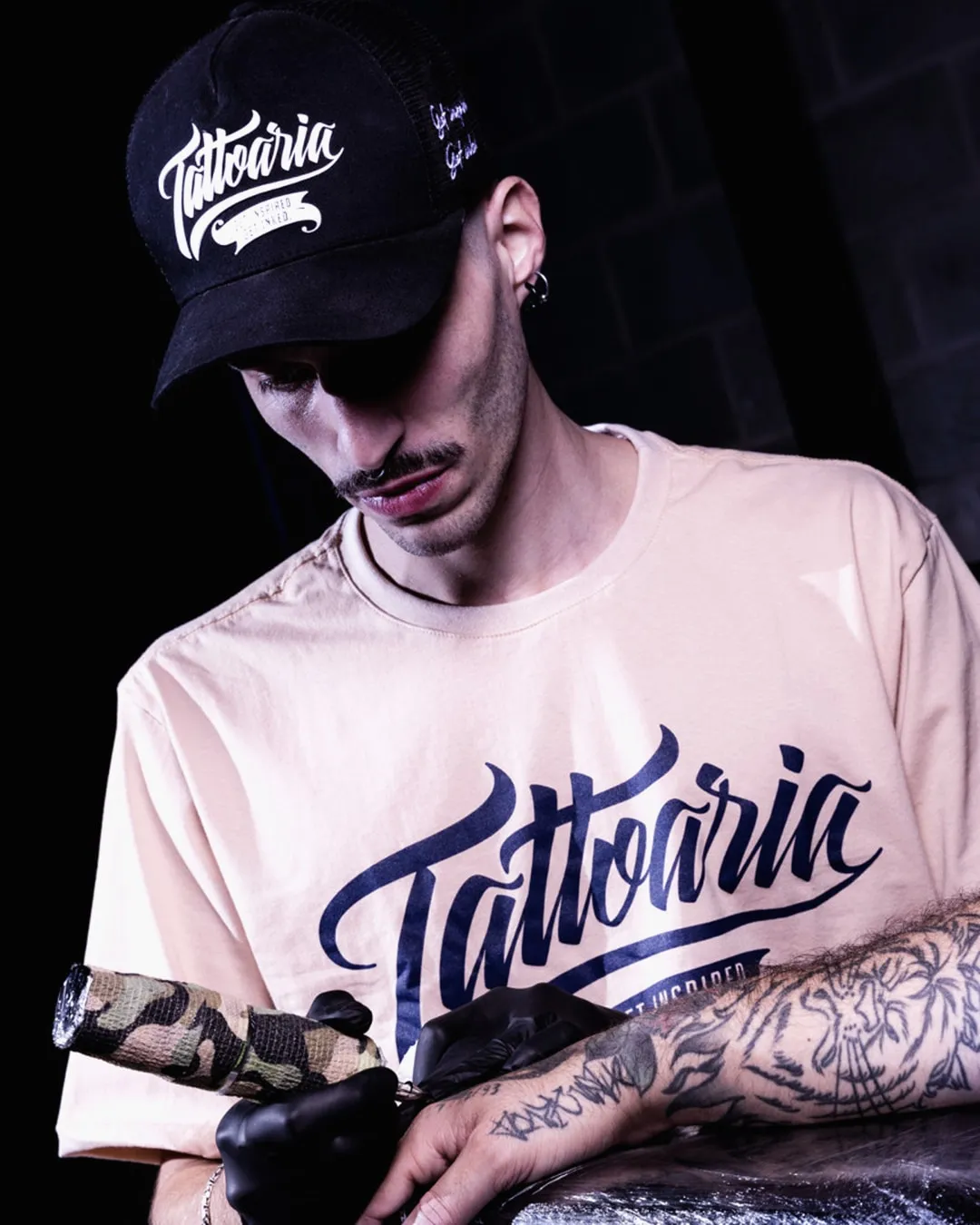
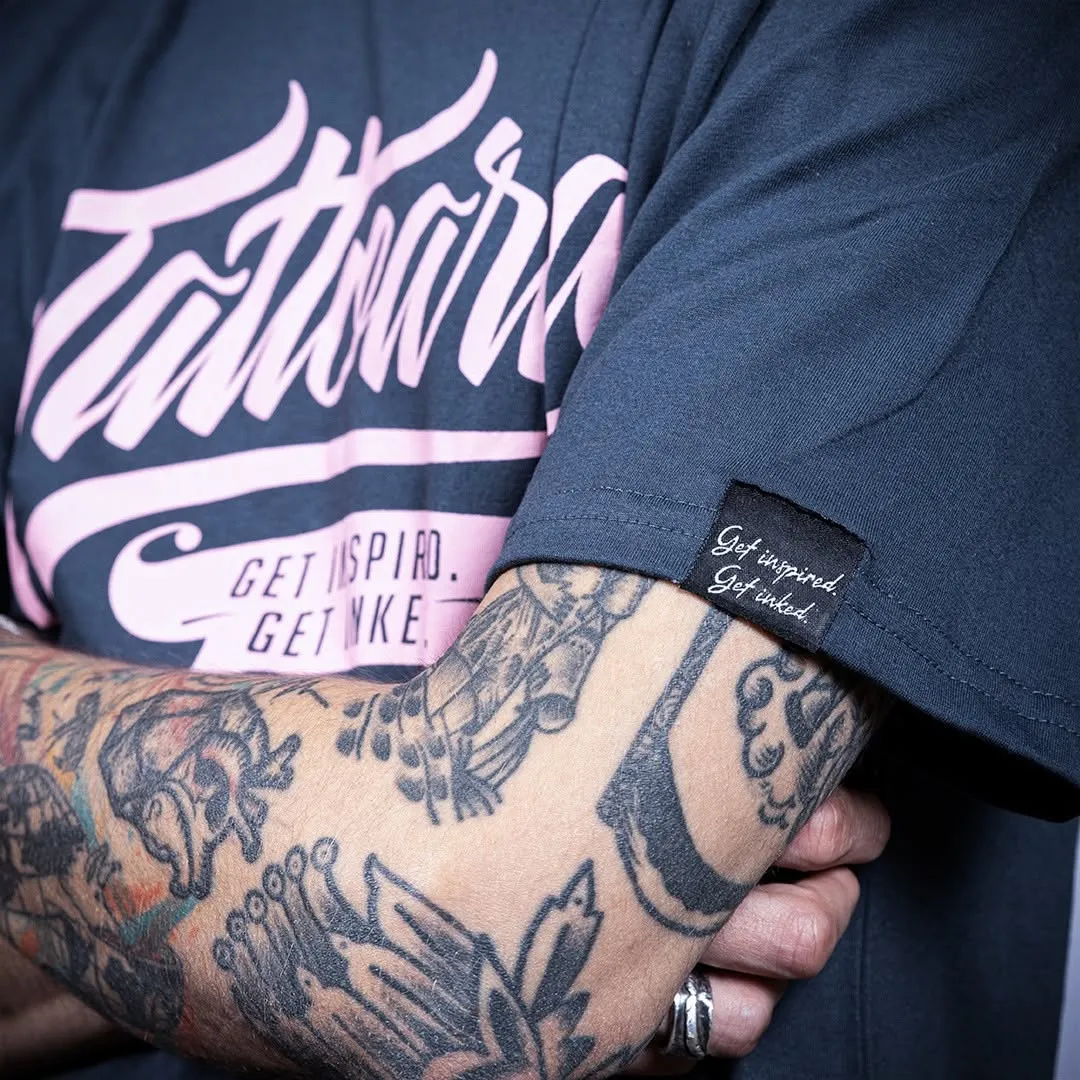
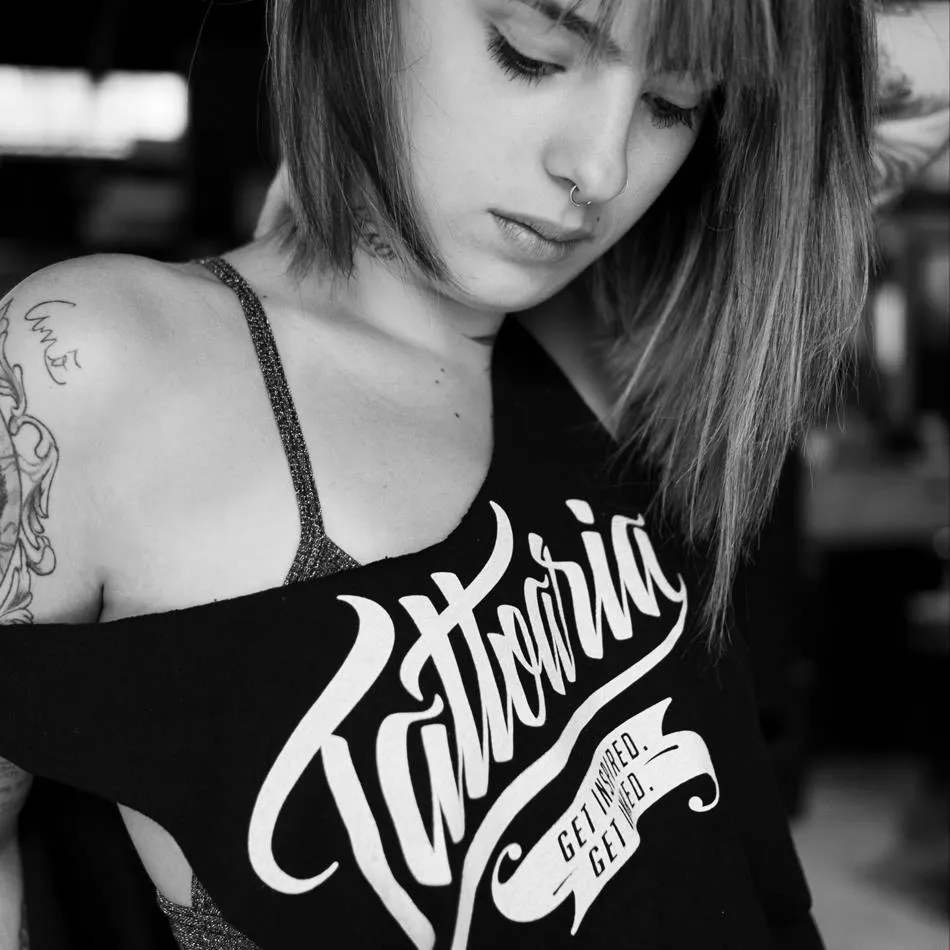
07. A glass studio touring the country.
The Tattoo Truck was a branding call, not a revenue one. It was a 13 m² truck built by Truckvan with just two tattoo stations, so at a five-thousand-person event I knew it wouldn't make much money, but it would push the brand. The side of the truck was glass, lit from inside, and everyone could watch the tattoo happen.
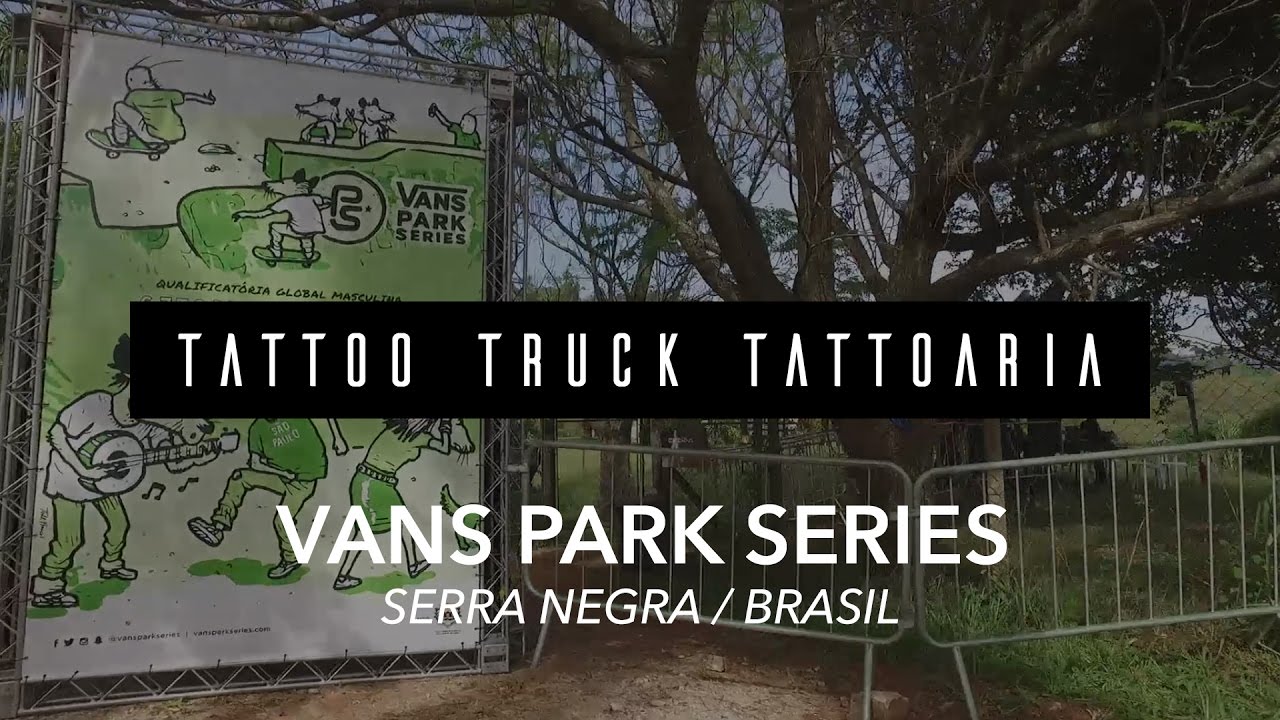
Every event wanted the truck. It toured more than 10 states plus Uruguay, hit Oktoberfest in Blumenau, Harley-Davidson's 115th anniversary party, Warner events and the Vans Park Series world championship, one of the sickest events I ever did.
08. The brands came to me.
Lollapalooza · the studio in the Chevrolet lounge
Once Tattoaria started showing up in Veja and Estadão and bringing in great artists, brands started reaching out. I never called a single one asking for space. The positioning brought them in.
Lollapalooza, with Chevrolet.
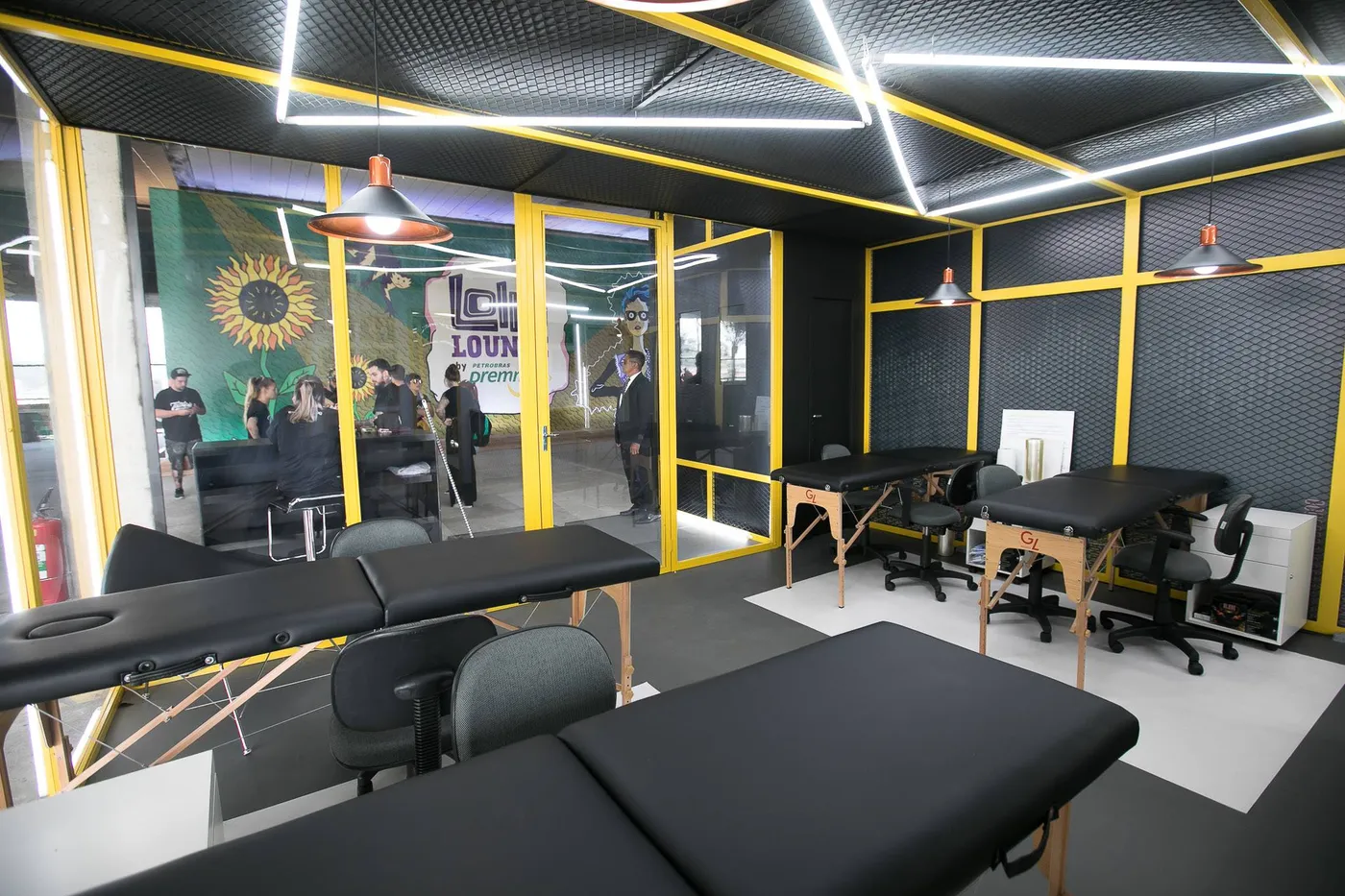
Chevrolet asked Tattoaria to set up a studio inside the festival lounge, where people had paid three thousand reais to get in, and whoever was there got tattooed for free. Chevrolet built the setup and paid up front for a package of 200 tattoos. Three editions.
Lollapalooza, with Budweiser.
Same festival: Budweiser brought in Tattoaria's barbershop, so Tattoaria had a studio and a barbershop running inside at the same time.
Reopening, with Jack Daniel's, Posca and Royal Enfield.
For the opening of the bigger space, I closed deals with Jack Daniel's and other big brands. The crossover was my idea: I called Royal Enfield and Posca, both said yes on the spot, and on the day two artists customized a white motorcycle tank live with Posca markers.
Copa Libertadores, with Palmeiras and Brahma.
With Libertadores fever in the air, I ran an activation with Palmeiras and Brahma inside the studio.
Truckers' Day, with Ford Trucks and JWT.
A studio set up at an abandoned gas station in the middle of the highway, tattooing truck drivers. It became a documentary-style film.
09. Everyone wanted to tell this story.
Veja, Estadão, Pequenas Empresas Grandes Negócios, Catraca Livre, Guia da Semana and more. Not a single story was paid for.
- Veja São PauloNew studio hosts big-name tattoo artists on a rotating basis (in Portuguese) (opens in a new tab)
- Folha de S.Paulo · PhotographyTattoaria is a coworking space for tattoo artists (in Portuguese) (opens in a new tab)
- Pequenas Empresas & Grandes Negócios · TV GloboEntrepreneurs bet on a tattoo truck to grow their studio (in Portuguese) (opens in a new tab)
- Pequenas Empresas & Grandes NegóciosEntrepreneur cashes in with a “tattoo truck” (in Portuguese) (opens in a new tab)
- Guia da SemanaTattoaria House, Brazil's first rotating tattoo studio, opens in São Paulo (in Portuguese) (opens in a new tab)
- Guia da SemanaTattoo Truck, the world's first traveling tattoo studio, tours the country with renowned artists (in Portuguese) (opens in a new tab)
- Tribuna PRTattoaria launches a Tattoo Truck to tour the whole country (in Portuguese) (opens in a new tab)
- BaresSPTattoaria House (in Portuguese) (opens in a new tab)
What Tattoaria became
The attention Tattoaria used to give away for free became a business. In under two years, the blog turned into a studio averaging R$ 400K a month, a clothing brand, a truck touring the country and a name big brands came looking for, and Tattoaria became one of the three biggest tattoo studios in Latin America.
- 200KInstagram followers in about 3 months, before there was a studio
- 400Kaverage monthly revenue, in reais
- 300+tattoo artists from Brazil and around the world came through
- 3editions at Lollapalooza, with Chevrolet
- 10+states plus Uruguay on the road with the Tattoo Truck
Every market has its flash book.
It's that thing everyone's been doing the same way for years without asking why. At a bar it's one thing, at a barbershop it's another, at a clothing brand it's another. I'm not going to turn your brand into another Tattoaria, because every business has its own momentum, and it's almost never the same as anyone else's. What I do is dig deep until I find your market's flash book, and figure out what your brand can be instead.
Credits
- Founding, concept and creative direction
- Rodrigo Bondioli
- Architecture
- Studio dLux
- Tattoo Truck
- Truckvan
- Photography
- Caco Parise
- Press relations
- Tudo em Pauta